Exploring Sound, Vibration and Harmony
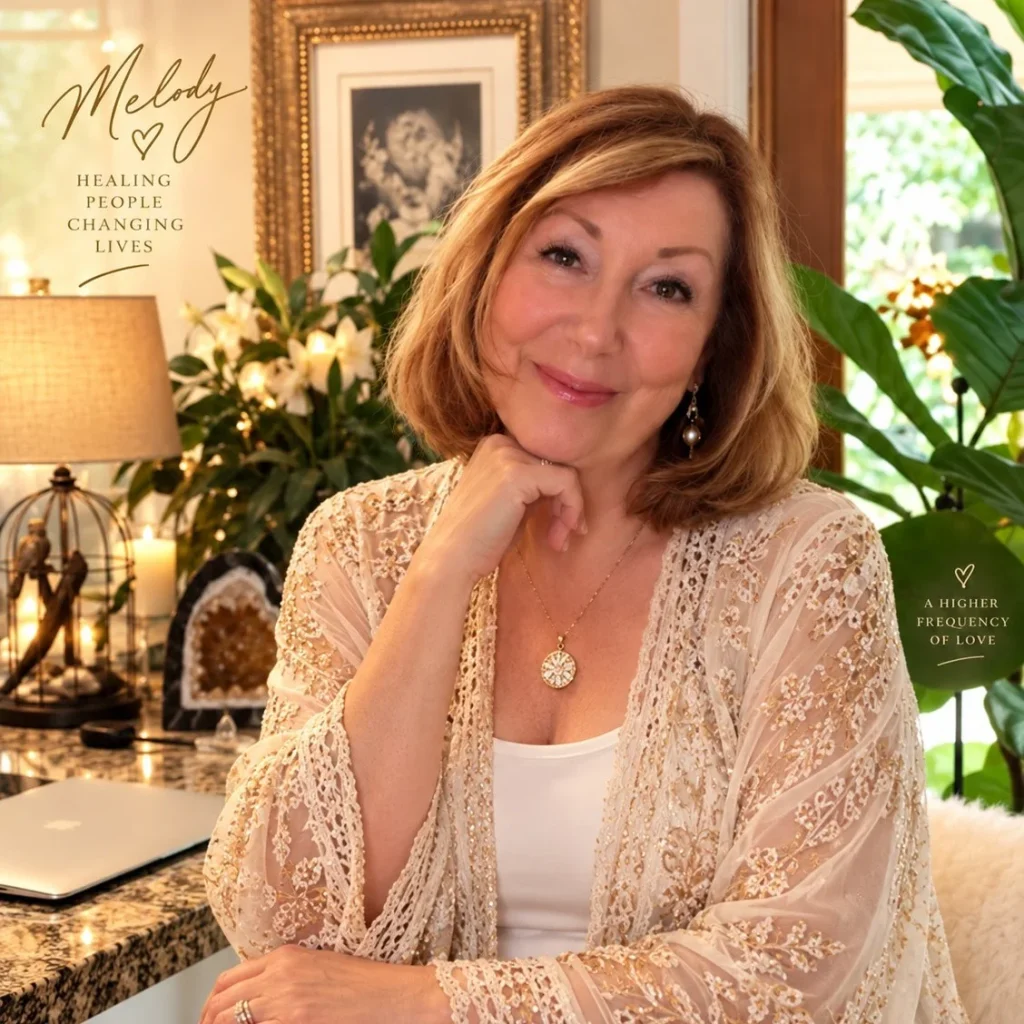
By Melody Bass | Melody’s Sound Healing
There is something beautifully simple yet deeply captivating about the pure, gentle sound of a tuning fork. With just one delicate strike, a tuning fork begins to vibrate, producing a clear, sustained tone that gradually fades into silence. In that quiet moment, we are invited to slow down, become present and reconnect with ourselves. At Melody’s Sound Healing, tuning forks are among the beautiful instruments we explore as part of the art of sound and vibration.
What Are Tuning Forks?
Tuning forks are specially designed metal instruments with two prongs that vibrate when activated. Originally developed for musical tuning, they have also been used in scientific demonstrations and clinical examinations. Today, tuning forks have found a place in contemporary sound-healing practices, where their gentle tones can be incorporated into relaxation, meditation and mindful listening.
Each tuning fork produces a particular frequency, measured in hertz (Hz), which describes the number of vibrations per second. Different frequencies create different pitches, allowing us to explore a wonderful variety of sounds and sensations.
Weighted and Unweighted Tuning Forks
There are two principal types commonly used in sound-healing practice.
Weighted Tuning Forks
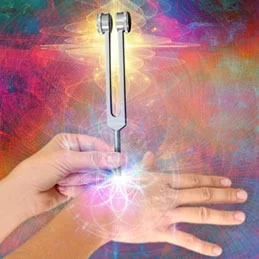
Weighted tuning forks have small weights attached to their prongs. They are often used when a practitioner wishes to explore gentle tactile vibration. With appropriate training, permission and careful placement, the vibrating stem may be brought into contact with a suitable, comfortable area of the body.
Unweighted Tuning Forks
Unweighted tuning forks generally produce a more audible, sustained tone. They are particularly lovely for mindful listening, meditation and exploring how different pitches interact. Both types offer their own distinctive qualities, and learning to work with them requires sensitivity, patience and careful attention to the individual receiving the experience.
Exploring Frequencies and Their Meanings
Within modern sound-healing traditions, certain frequencies have acquired particular symbolic and spiritual associations. For example, 136.1 Hz is often called the OM frequency, while 432 Hz and 528 Hz are popular in contemporary sound-wellness practices. Some practitioners associate these frequencies with harmony, transformation or particular energy centres.
These interpretations belong to specific healing traditions. Although vibration and sound can be measured scientifically, claims that particular tuning-fork frequencies cure illness, repair DNA or directly heal specific organs have not been established by reliable clinical evidence. For me, the beauty of sound healing lies in creating a gentle, supportive experience in which each person can discover their own relationship with sound.
How Tuning Forks May Be Used in a Sound Healing Session
A session may begin with a softly activated tuning fork, inviting the listener to follow the sound as it gradually fades. The practitioner may introduce different tones, allowing moments of silence between them. These quiet spaces can be just as meaningful as the sounds themselves. Some people describe feeling peaceful, grounded or deeply relaxed. Others simply enjoy the clarity of the tones.
Everyone’s experience is individual, and there is no particular sensation that must occur. A thoughtful practitioner always considers comfort, sound sensitivity and personal preference, offering clients the freedom to request a softer sound, decline physical contact or stop at any time. Sound healing is a complementary wellbeing practice and does not replace medical or psychological treatment.
The Beauty of Silence
One of the most fascinating aspects of working with tuning forks is discovering that their beauty is not found only in the sound. It is also found in the silence that follows. As the vibration gradually fades, we can become more aware of our breathing, our surroundings and the present moment. Sometimes, a single gentle tone followed by a peaceful pause can be a lovely addition to a meditation practice.
Learning the Art of Tuning Forks
Working confidently with tuning forks involves much more than simply striking an instrument. It includes understanding frequency, resonance, safe activation, listening techniques, appropriate use of weighted and unweighted forks, client comfort and the importance of creating a nurturing environment.
At Melody’s Sound Healing, these principles form part of a thoughtful approach to sound-healing education. With over 30 years of experience in healing and personal transformation, I delight in sharing my knowledge through personalised practitioner training and small-group learning experiences. My intention is to help students develop not only practical skills, but also the sensitivity, confidence and awareness that make a beautiful practitioner.
Begin Your Sound Healing Journey
Whether you are curious about tuning forks, drawn to the beautiful resonance of Tibetan singing bowls, or considering professional Sound Healing Practitioner Training, I warmly invite you to explore the wonderful world of sound. Sometimes, the gentlest vibration is an invitation to become still, listen and simply be.
With love, light and beautiful vibrations,
Melody Bass
Melody’s Sound Healing
Heal • Transform • Empower
Explore Sound Healing Practitioner Training
Sound healing is offered as a complementary relaxation and wellbeing practice. Individual experiences vary, and it is not a substitute for professional medical care.